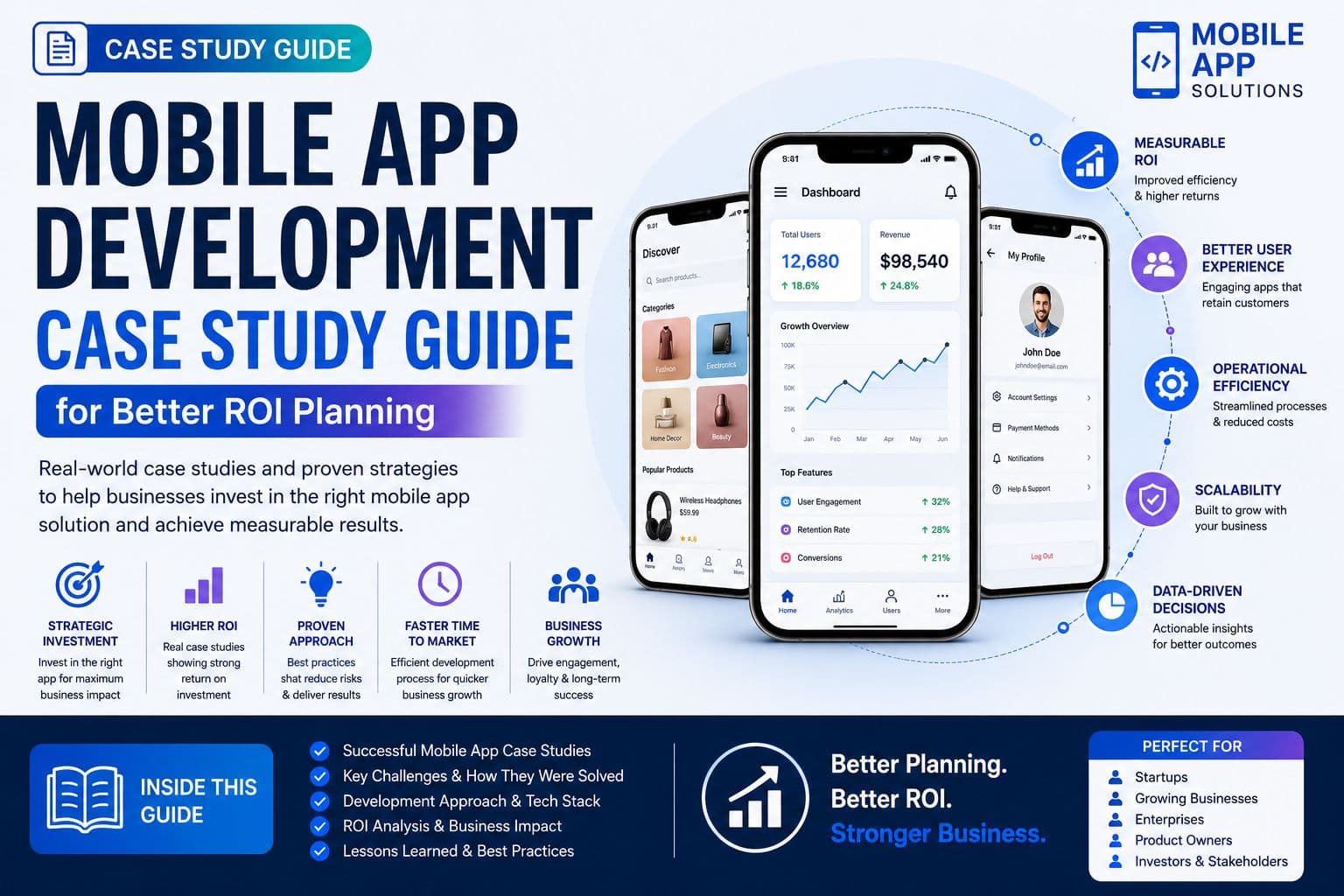
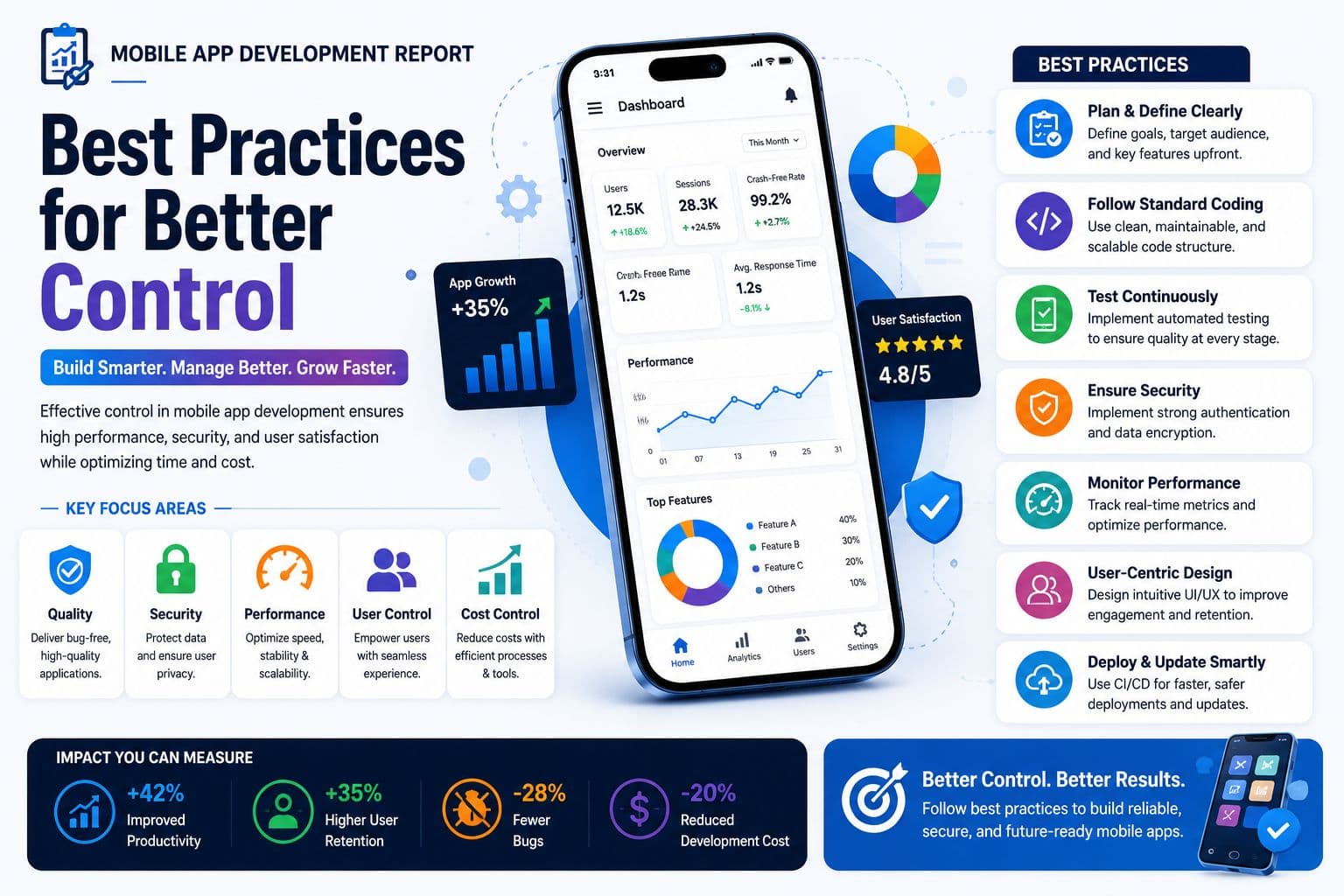
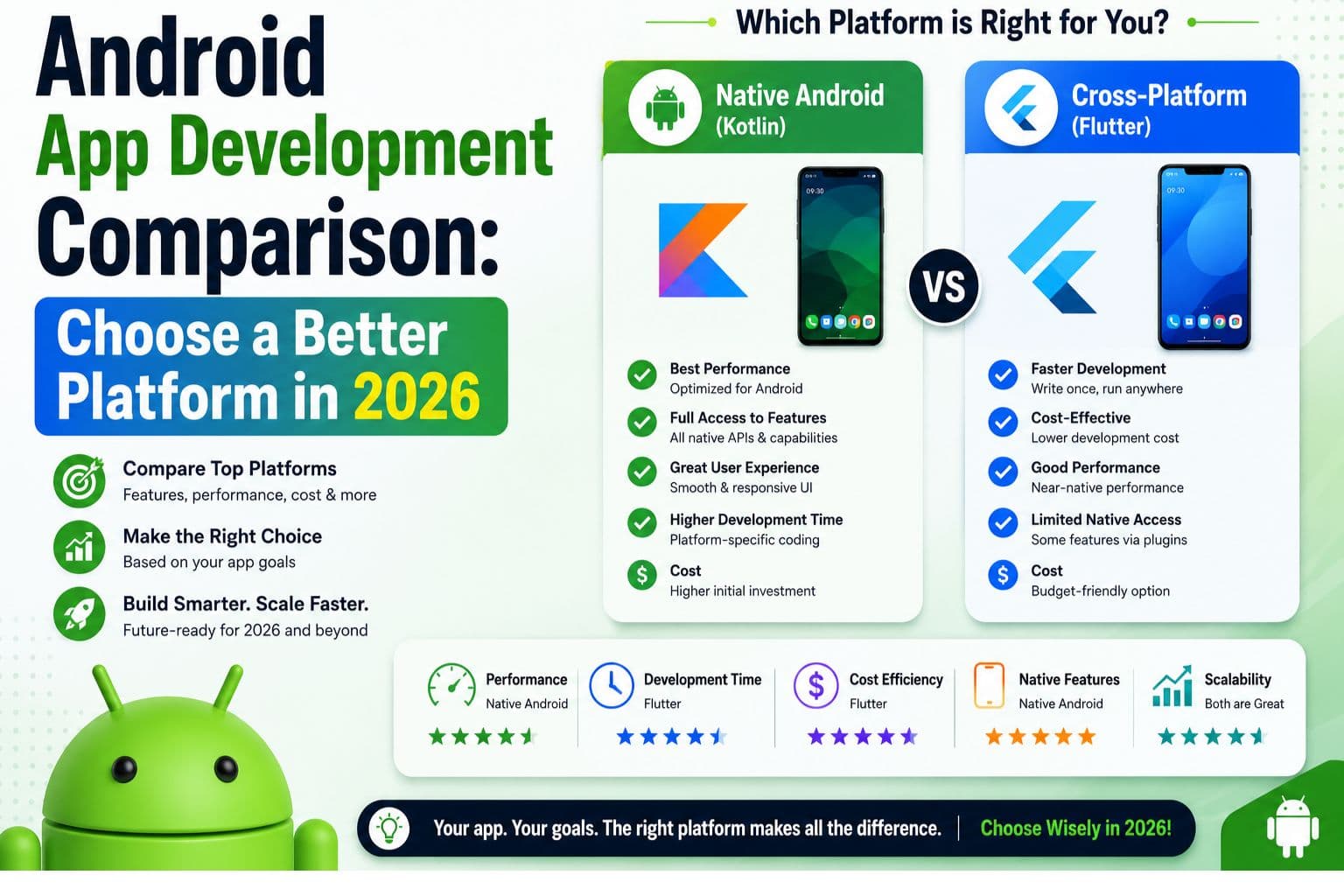
Cross Platform App Development Analysis: Improve ROI With Better Control
Key Takeaway (TL;DR)
Cross Platform App Development Analysis: Improve ROI With Better Control Cross platform app development analysis reveals that ROI is directly tied to how much control a team maintains over the delivery pipeline. In most
Cross platform app development analysis reveals that ROI is directly tied to how much control a team maintains over the delivery pipeline. In most real-world projects, shared codebases introduce hidden friction—integration quirks, platform-specific behavior that you don't see coming—and that erodes the cost advantage of a single codebase. A project manager recently told me that what looked like a 30% saving in development quickly turned into a 15% loss when QA cycles ballooned due to untested edge cases on older devices. Without strict oversight of deployment timing and feature parity, the projected ROI never materializes, and delivery timelines slip predictably, almost like clockwork.
What Cross Platform Control Actually Means in App Delivery
Control in cross platform development refers to the governance of resource allocation, build coordination, and release management across iOS and Android. Most teams overlook the operational friction between separate app stores, each with unique review cycles and approval windows—that alone can kill a tight schedule. A common mistake is treating the platform abstraction layer as a black box, only to discover during late-stage testing that a critical API behaves differently on Android than on iOS. This forces emergency patches that inflate costs and delay the launch. True control means having a single point of accountability for how code compiles, how dependencies are versioned, and how platform-specific bugs are triaged before they reach production, not after.
Real Project Friction That Kills ROI
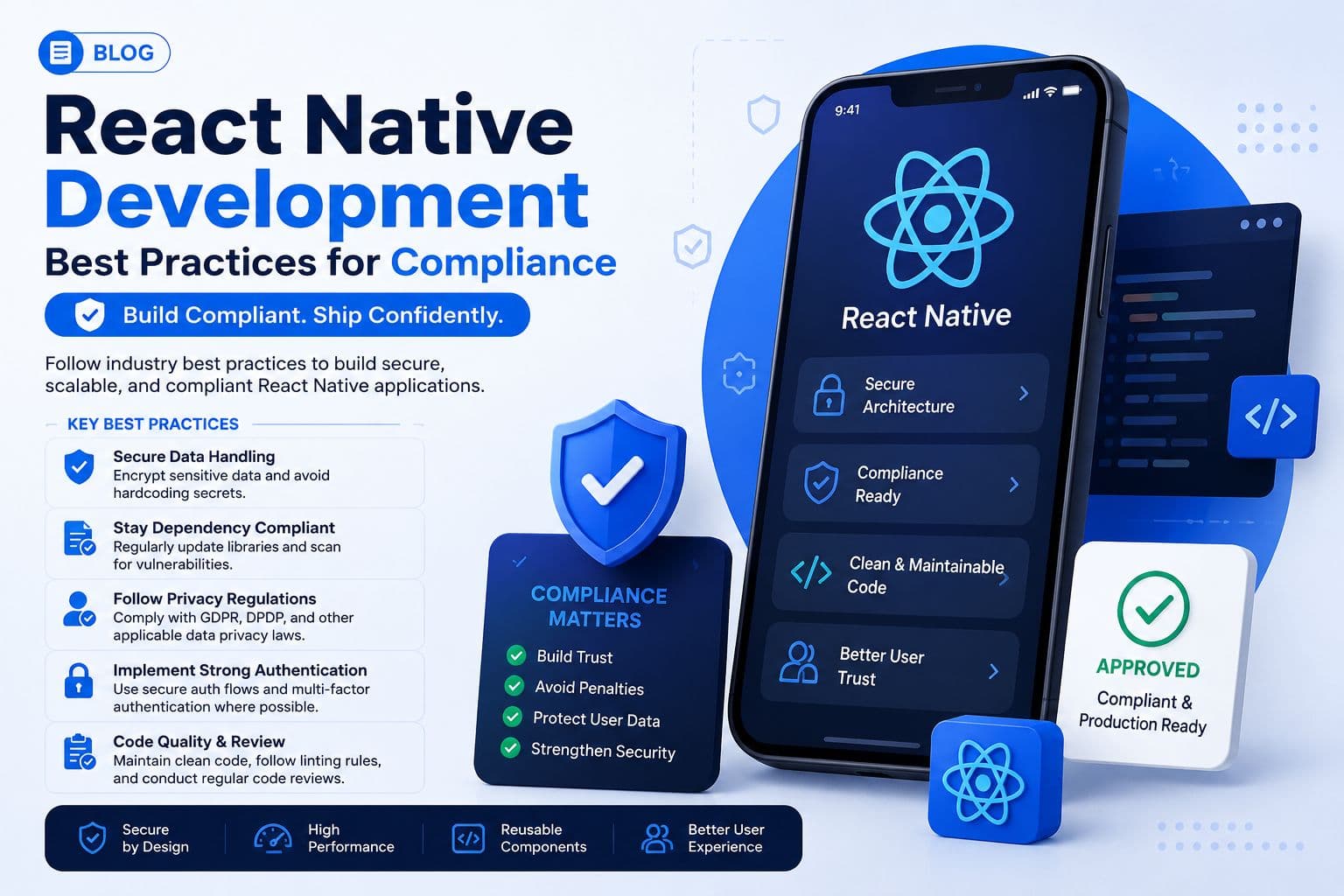
Live projects reveal that the biggest ROI killer is not the code quality but the coordination overhead between platform-specific teams and the shared framework maintainers. For instance, a client once budgeted six weeks for a feature build but spent ten weeks because the shared component library had a dependency conflict with a third-party payment SDK. The non-obvious detail is that many organizations treat devops pipelines as optional for cross-platform projects, yet without automated builds for both platforms simultaneously, manual handoffs become a source of recurring delays. Compliance with GDPR data handling also gets messy—the same code must pass two separate security audits, each with different expectations for local storage and encryption, and that's where things start to unravel.
Need Bringmark's engineers to implement this for you?
Get a free 30-minute architecture & growth review tailored to your stack.
Common Mistakes That Undermine Delivery Control
The most frequent error is assuming a unified codebase eliminates the need for platform-specific stress testing. In reality, memory constraints on lower-end Android devices and background thread limits on iOS create performance gaps that only surface under concurrent user load. Another common misunderstanding is that feature parity should be absolute, when in practice, prioritizing the most used user journeys on each platform first yields better adoption metrics than a simultaneous full feature dump. Teams also frequently underestimate the rework cycle generated by a single middleware update that breaks plugin compatibility across both platforms—suddenly you're looking at a cascade of hotfixes that destabilize the entire release schedule.
How to Decide on Scope Partner or Next Step
When analyzing cross platform app development for ROI, the decision hinges on whether your team can enforce strict integration architecture and release governance. If your organization lacks dedicated devops support for both platforms or if the project involves heavy native hardware interaction, a hybrid approach splitting critical features into native modules often provides better control. The boundary where this approach stops scaling is when the shared codebase exceeds 200,000 lines without automated regression testing—beyond that, manual QA becomes a bottleneck you can't fix with overtime. A bringmark approach that embeds cross-discipline execution between the frontend and backend teams helps production harden the dependency chain before it reaches the app store, which directly translates to fewer cost overruns and faster delivery cycles.
FAQ
q: What cross platform app development pitfalls hurt ROI the most?
a: The biggest pitfall is underestimating platform-specific QA testing costs and ignoring dependency management between shared and native code layers.
q: How does lack of control lead to delivery delays in cross platform projects?
a: Without a single accountable owner for build coordination, platform review timelines and unexpected API mismatches cause cascading schedule slips that inflate budgets.
q: When should teams avoid a pure cross platform approach to maintain ROI?
a: When the application requires heavy hardware interaction, real-time processing, or strict compliance with separate platform security audits, a hybrid native split often delivers better control.
q: What decision framework helps improve ROI for cross platform app development?
a: Evaluate whether your team can enforce unified release governance and automated builds for both platforms; if not, prioritize feature scoping by platform revenue impact to reduce rework costs.
The core engineering, AI, cloud, and product development team at Bringmark Private Limited. We architect and operate production SaaS platforms, enterprise web applications, and resilient cloud infrastructure.