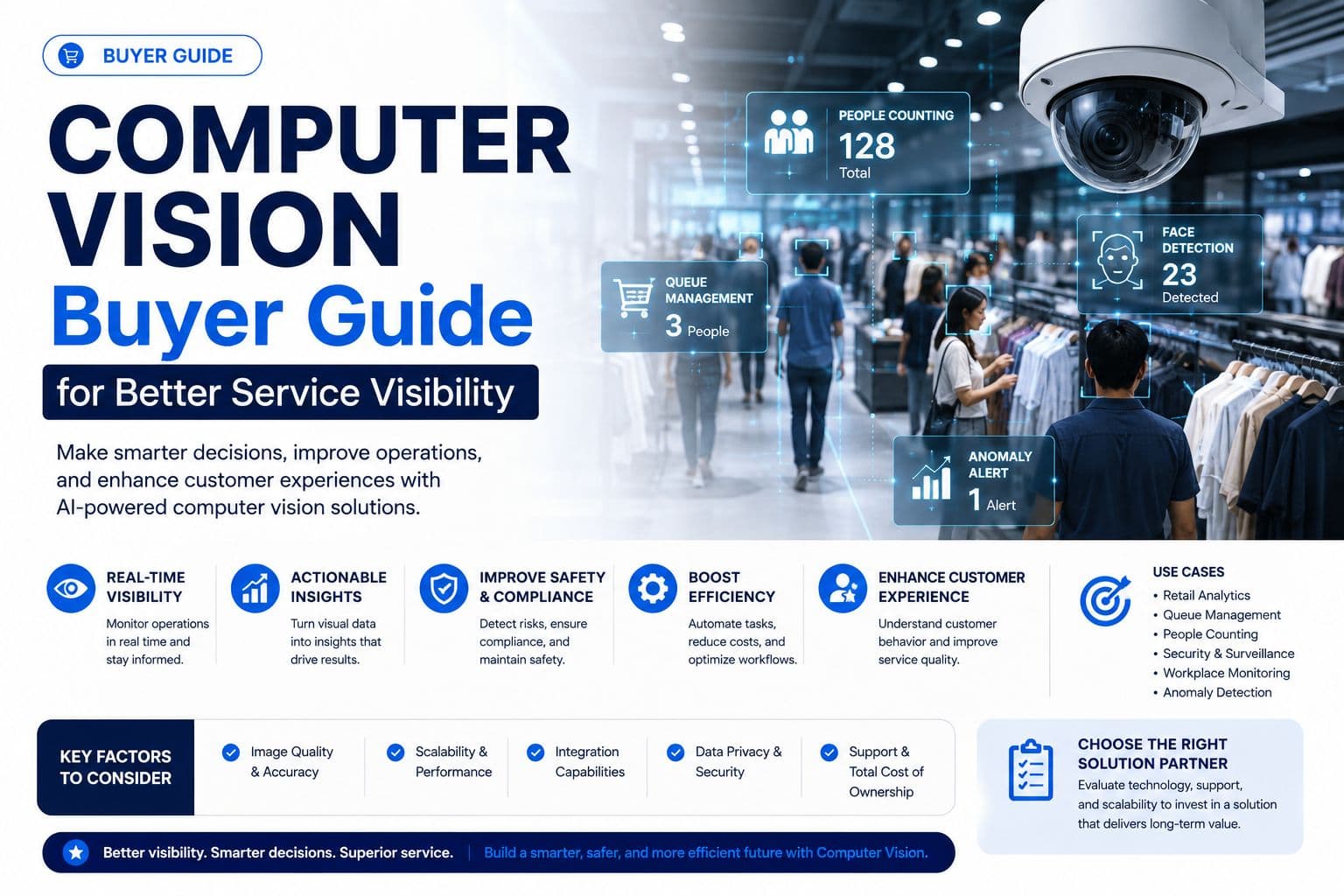
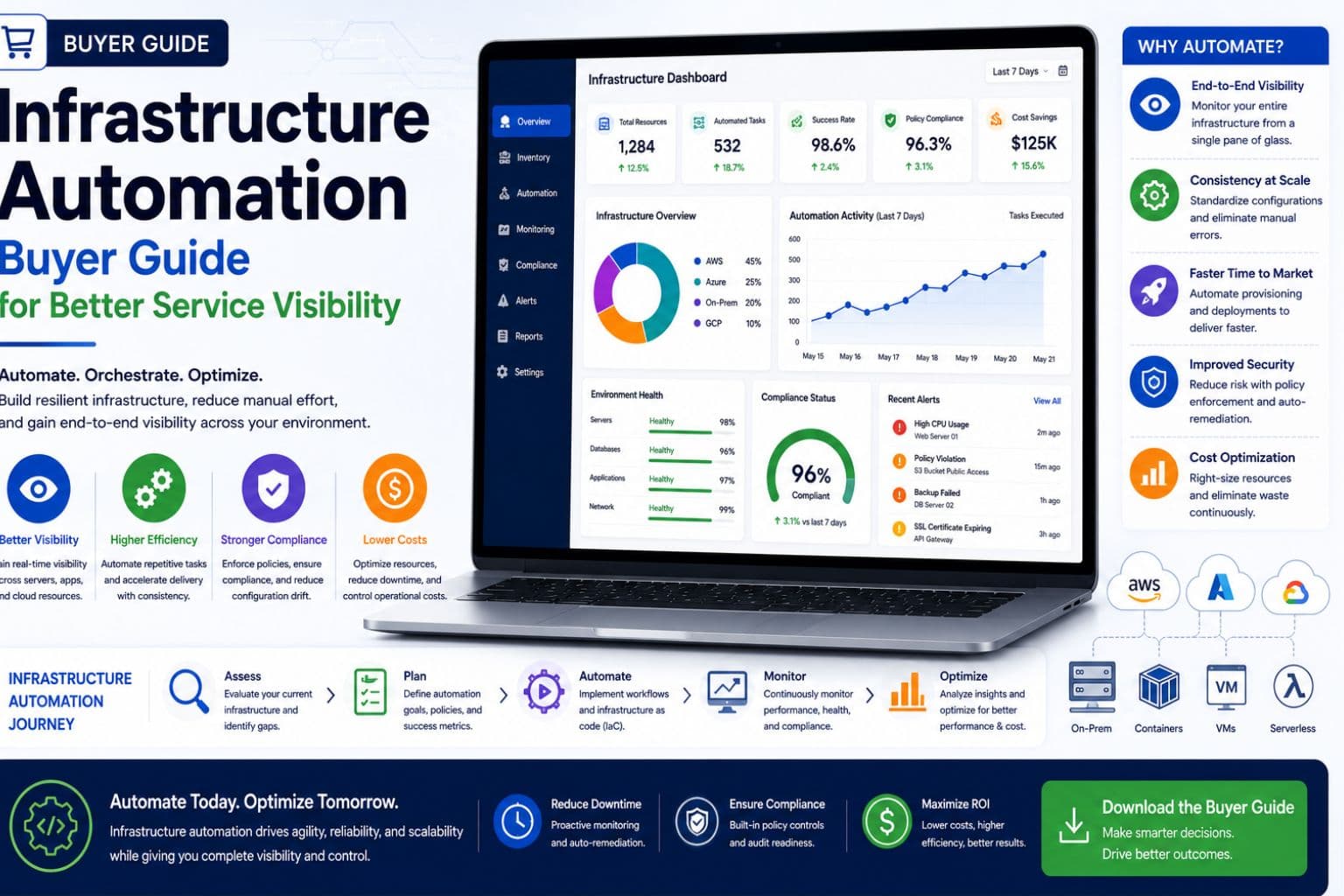
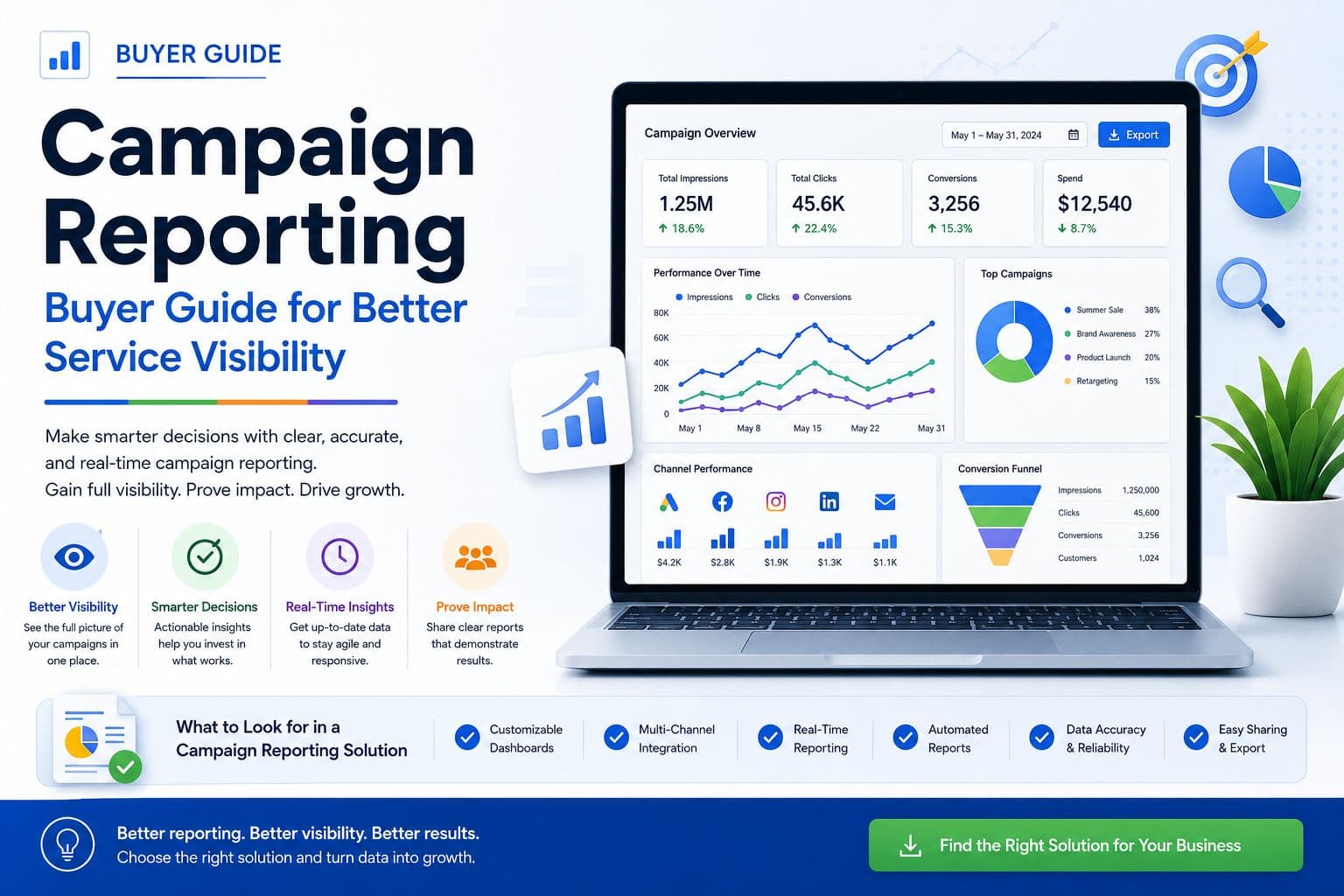
Generative AI Development Buyer Guide for Better Service Visibility
Key Takeaway (TL;DR)
Generative AI Development Buyer Guide for Better Service Visibility When purchasing generative AI development services, buyers often face a critical gap between promised capabilities and actual delivery visibility.
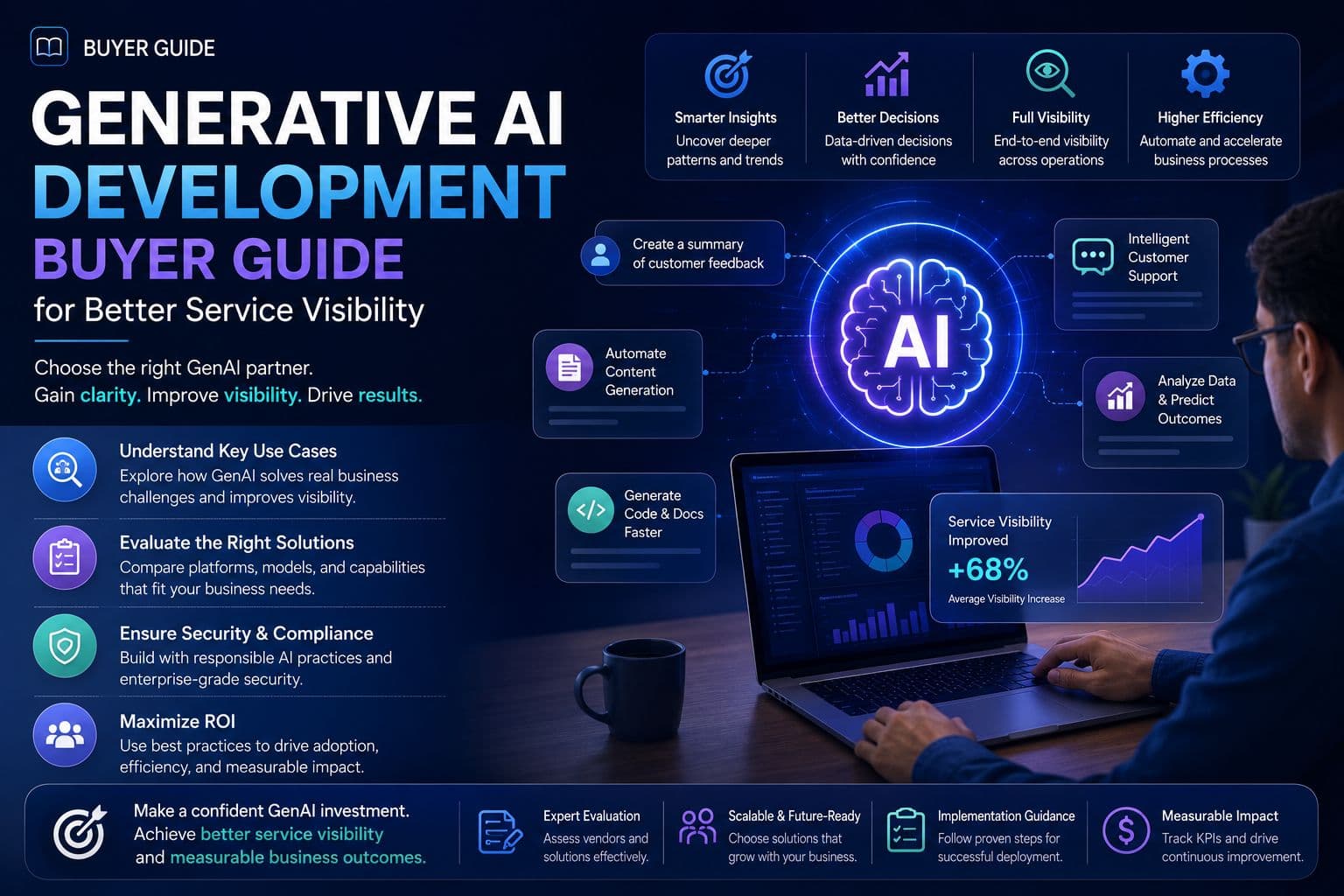
When purchasing generative AI development services, buyers often face a critical gap between promised capabilities and actual delivery visibility. This guide addresses the core challenge of ensuring you can see what your vendor is building, testing, and deploying — especially when complex integration architecture hides project status until a deployment delay suddenly surfaces.
What Service Visibility Means in Generative AI Projects
In practice, service visibility starts with understanding the gap between a vendor's marketing claims and the granular data you can actually access during development. A real observation here: many teams only discover their integration risk during the first sprint review, when undocumented API dependencies reveal themselves against a generative AI model's output. That lack of early visibility, I've seen it directly correlate with project deployment problems later on.
The Reality of Opaque Delivery in Live Projects
On a live production project, one non-obvious operational detail teams overlook is that generative AI models require unique QA testing cycles that differ from standard software testing. The output variability here is tricky — a model that passes unit tests can still introduce unexpected rework cycles during user acceptance testing, causing a software deployment delay that breaks the client's timeline. Honestly, this isn't really a vendor fault, it's a workflow dependency. But it has to be visible from day one.
Common Mistakes That Lead to Buyer Regret
A common misunderstanding that causes bad decisions: assuming generative AI development follows standard agile timelines. Another boundary where this approach stops scaling is when a vendor's internal release management process treats model updates as hotfixes rather than feature releases. At that point, cloud infrastructure costs can overrun without any warning at all. Many buyers just don't think to include governance concepts like model versioning SLAs in their contracts.
Need Bringmark's engineers to implement this for you?
Get a free 30-minute architecture & growth review tailored to your stack.
Decision Help for Choosing the Right Partner
To make a sound scope decision, buyers should evaluate how a potential partner handles cross-discipline execution — specifically linking devops pipelines with data science workflows. One clear decision criterion I'd suggest: can your vendor demonstrate a live production dashboard showing generative AI model drift, integration errors, and deployment blockers? In practice, a partner like bringmark that prioritizes production hardening across their delivery lifecycle offers better service visibility because they treat every deployment as a critical release management event. The decision framework needs to include compliance with your internal audit requirements too, not just technical demos. For more guidance, explore our generative AI development resources to see how visibility works in a real project context. Also, reviewing devops pipelines can help clarify how continuous integration practices affect your delivery timeline.
FAQ
q How do I verify a vendor's generative AI development progress?
a Request access to their project management tools and daily logs for model training runs — not just weekly status reports which tend to gloss over problems.
q What are the hidden costs in generative AI deployment?
a Cloud infrastructure scaling and unexpected retraining cycles due to model drift are common cost overrun sources that lack visibility until the bill arrives.
q At what scale do generative AI projects become unmanageable?
a When the number of distinct model variants exceeds what manual release management can handle, you need automated integration architecture to track version control properly.
q How should I plan my next generative AI purchase?
a Include contractual obligations for real-time visibility into QA testing cycles and deployment blockers, and maybe involve bringmark for a structured audit of vendor workflows before you commit.
The core engineering, AI, cloud, and product development team at Bringmark Private Limited. We architect and operate production SaaS platforms, enterprise web applications, and resilient cloud infrastructure.