Karol Bagh retailers moving sales online: e-commerce decisions to settle first
Key Takeaway (TL;DR)
Karol Bagh retailers moving sales online: e-commerce decisions to settle first Selling online starts as a set of decisions, not a website.

Selling online starts as a set of decisions, not a website. Before you brief any developer, settle five things: how your products are catalogued, how customers pay you, how orders are fulfilled and delivered, whether you sell through a marketplace or your own store, and who maintains the site after launch. Get those on paper first and the build gets shorter, the quotes get comparable, and there is far less to redo later.
Catalogue, payments and delivery: the three early decisions
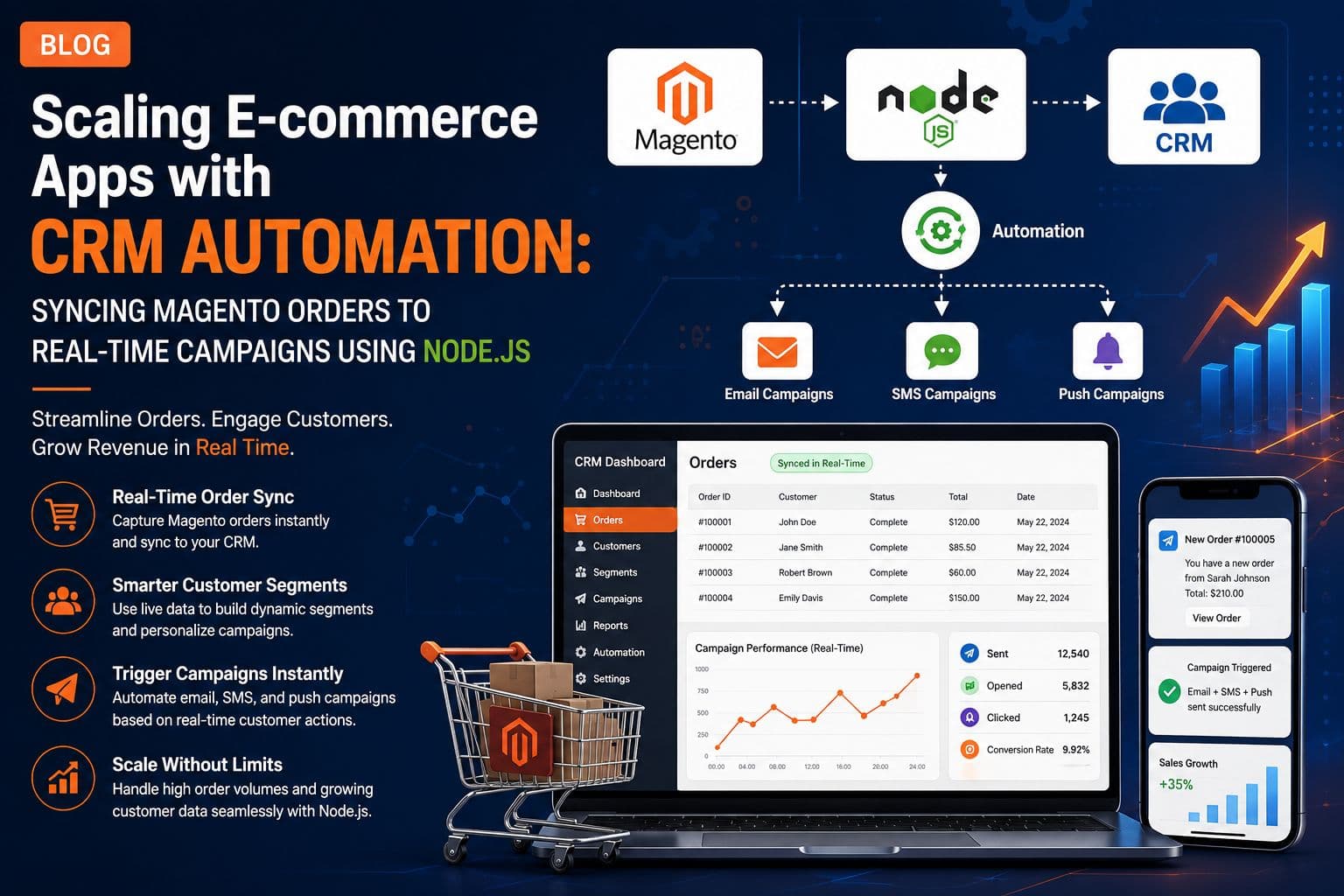
Start with the catalogue. How products are grouped, how variants sit under one parent item, and how weight bands and made-to-order pieces are handled are data decisions, not design ones. Get that logic wrong and every integration after it inherits the problem. Payment is the second decision: who collects the money, who issues refunds, and what your test list looks like for partial cancellations and address corrections. Delivery is the third: what promise you can honestly make against real stock and real courier coverage in Delhi and beyond. If your requirements touch cloud setup or web development, write these three down before any scoping call. A scope that shifts here restarts testing, not just slows it.
Choosing between a marketplace presence and your own store
This is a trade-off, not a verdict. A marketplace gives reach and takes a cut. An owned store gives control and asks for marketing effort. Compare the two on four neutral points before you commit either way.
| Decision point | Marketplace presence | Own online store |
|---|---|---|
| Reach vs ownership | Borrowed audience, platform rules apply | Your audience, your rules |
| Cost shape | Recurring fees tied to sales | Upfront build plus running costs |
| Data and catalogue control | Limited, platform-defined | Yours to structure and export |
| Maintenance owner | Largely the platform | Your team or a delivery partner |
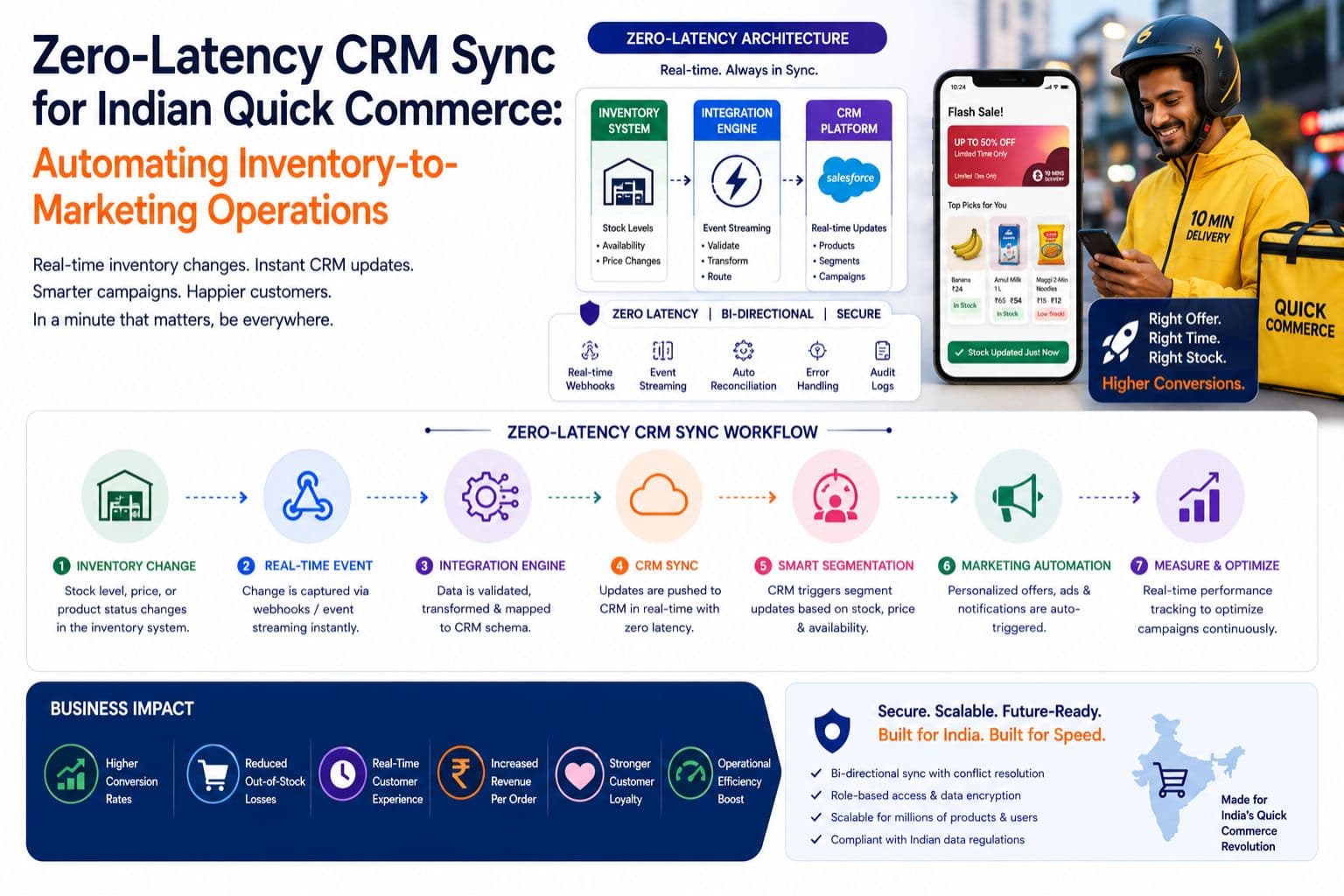
The operational catch sits in the middle: if you run both channels at once and stock is counted in two places, inventory sync and fulfilment break first. Decide which channel owns the stock count before you sell a single unit.
What to prepare before requesting development quotes
A clear brief makes quotes comparable. Gather these before you approach anyone, whether that is an in-house team or a delivery partner:
Need Bringmark's engineers to implement this for you?
Get a free 30-minute architecture & growth review tailored to your stack.
Catalogue sheet: products, variants, weight bands, and which items are made to order.
Payment and refund rules: who collects, who refunds, and how partial cancellations are handled.
Delivery zones and promise: what you can commit to for Karol Bagh walk-in customers and for shipping outside Delhi.
Channel decision: marketplace, own store, or both, and which one holds the stock count.
Launch boundary: what must be true on day one and what can wait for month two.
Ownership map: who updates content, prices and catalogue entries after handover.
When the work spans storefront, payments, logistics connections and reporting, coordinated delivery across those areas matters more than any single feature. That is where a partner such as bringmark fits, for teams that want one team handling the whole build rather than several single-scope vendors. Set your own boundary for in-house versus outsourced work, and hold it when the first busy season tests it.
Ongoing maintenance and content responsibilities
An online store is an operating system for sales, not a one-time project. Treat maintenance, content updates and seasonal campaign changes as budgeted responsibilities from day one. The boundary arrives quietly: order volume, SKU count or delivery zones grow past what one admin panel and a manual process can absorb. Nobody announces it. So decide early who owns order exceptions in the evening, who reconciles returns, and who keeps the catalogue current. Unclear ownership is what turns a finished build into a stalled one.
Practical checks before you commit
Inventory truth first: if stock is counted by hand, fix the count before the build starts. That is the real first delay, not the website design.
Manual fulfilment ceiling: when staff are handling orders by hand and it is already stretching them, automate fulfilment before launch rather than after.
Marketplace misconception: a listing does not take returns, reconciliation or customer queries off your team. Those still land with you.
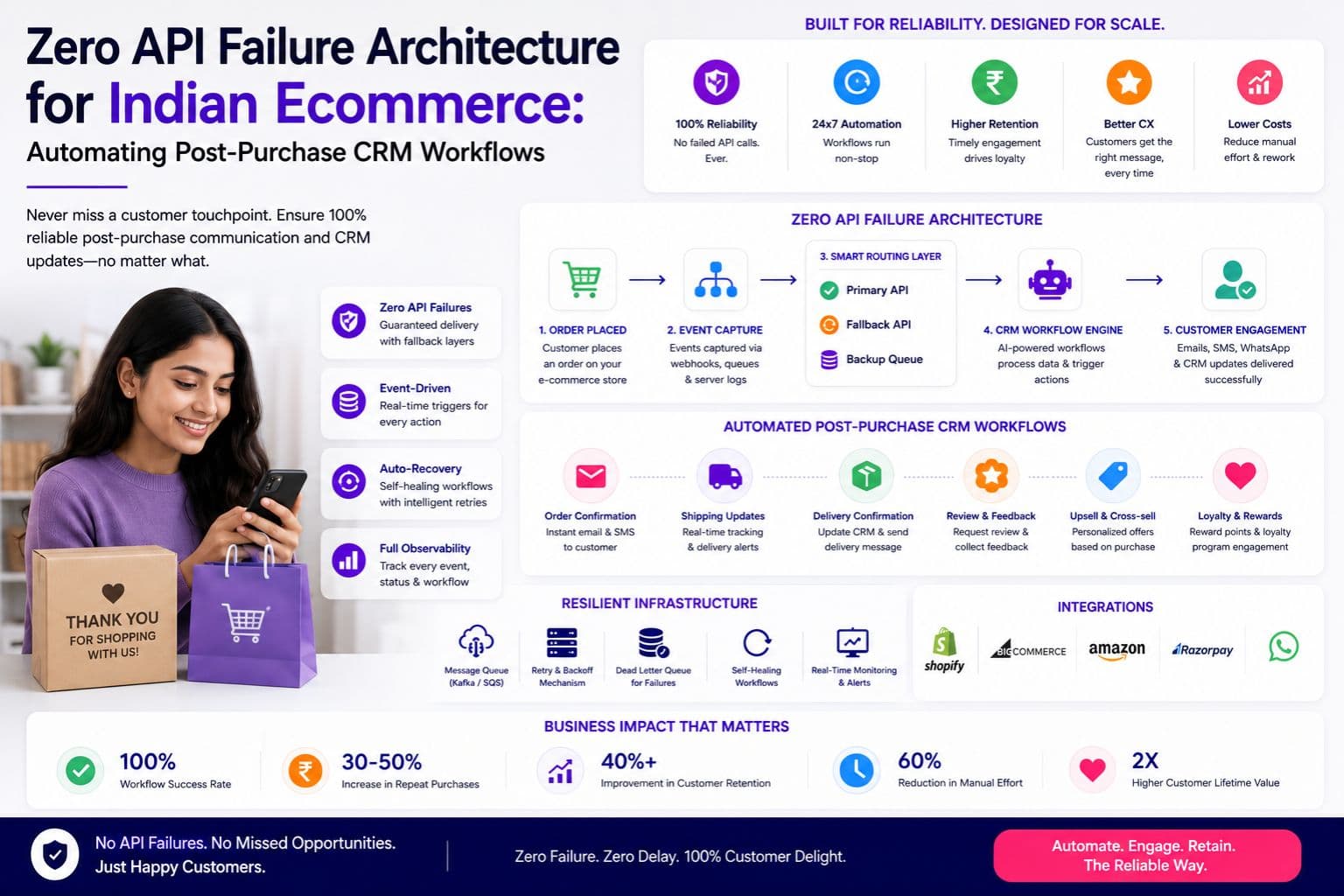
Refund test list: write down partial cancellation and address-correction cases and test them deliberately. They are the usual source of post-launch rework.
Festival scenario: a retailer launches during a busy season without a stock sync between store and shop floor, oversells in week one, and spends the next month rebuilding customer trust.
Checklist to action: write the five decisions down, mark who owns each, and use that sheet as your first brief. It works as a requirements document, a quote comparison aid, and a handover record.
The core engineering, AI, cloud, and product development team at Bringmark Private Limited. We architect and operate production SaaS platforms, enterprise web applications, and resilient cloud infrastructure.