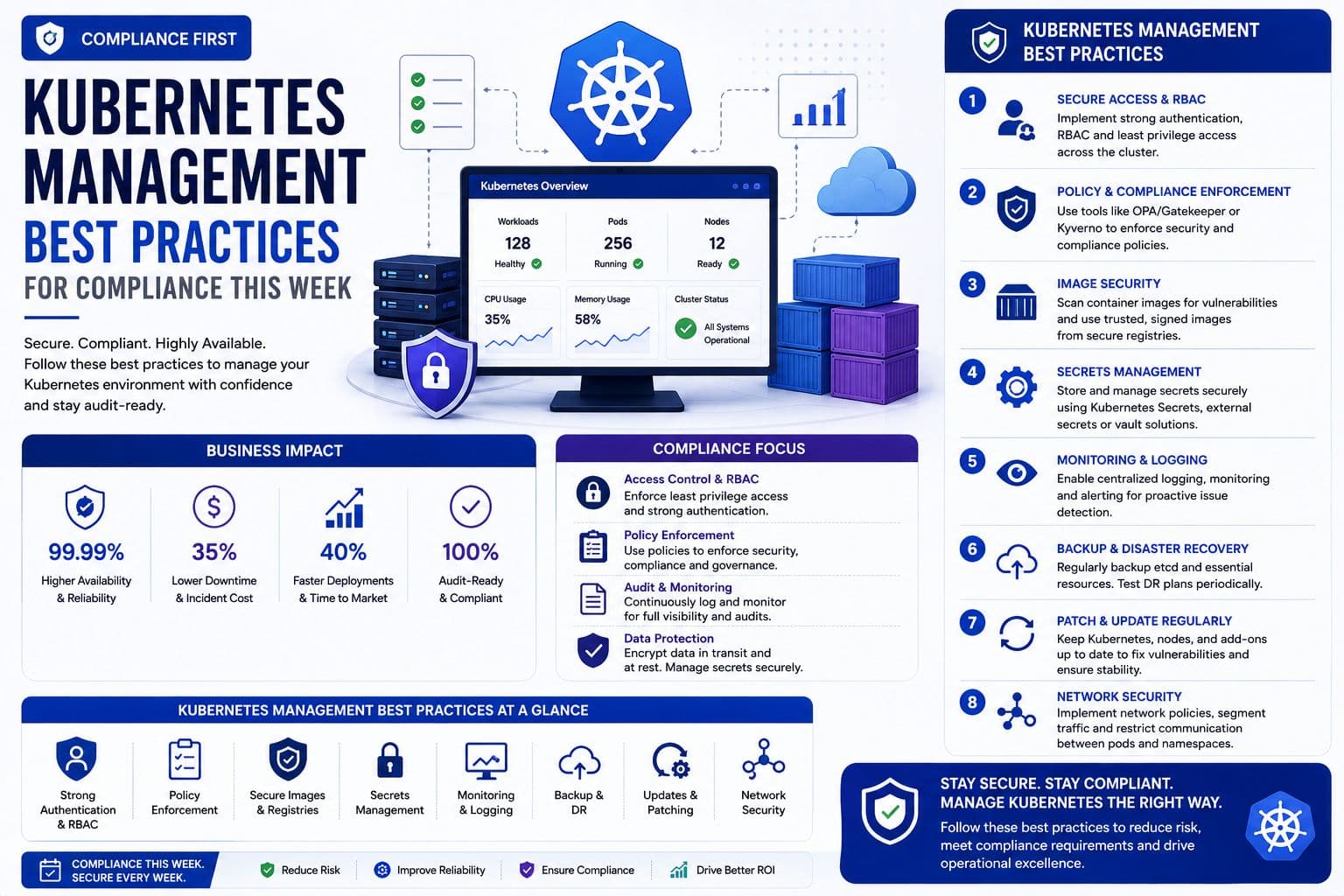
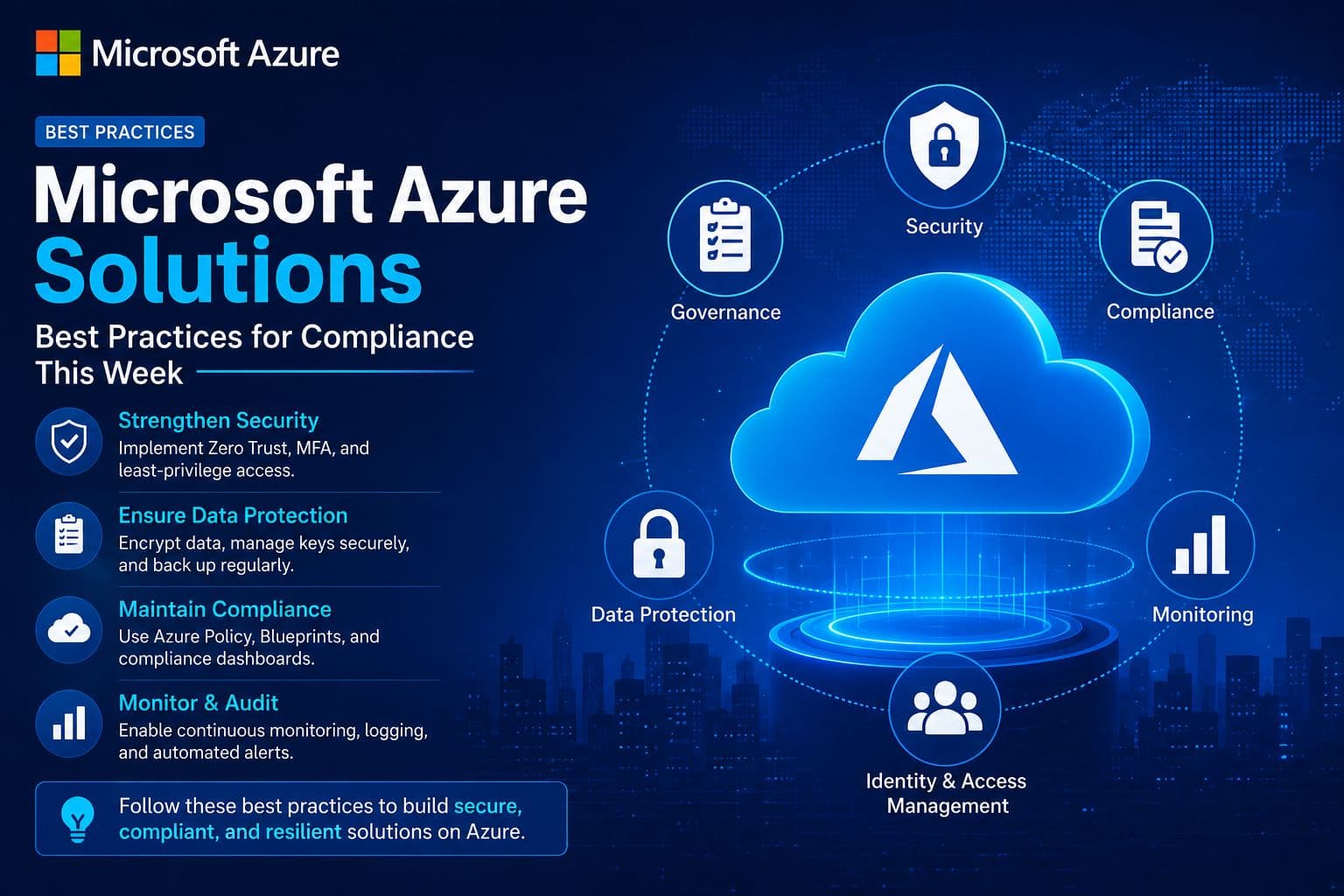
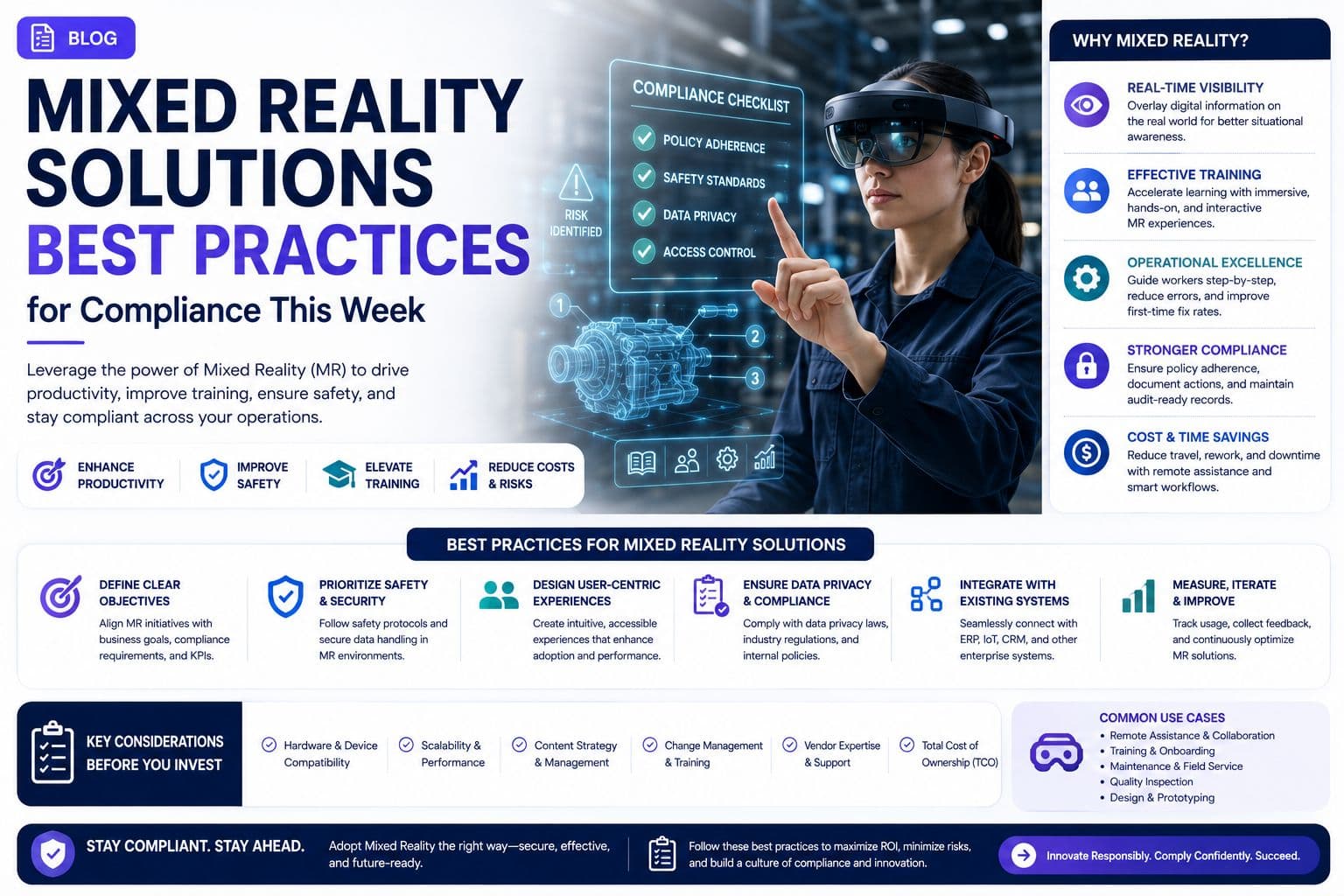
Data Warehousing Best Practices for Compliance This Week
Key Takeaway (TL;DR)
Data warehousing best practices for compliance this week often hit a wall when audit deadlines collide with schema changes, leaving delivery teams scrambling to validate data lineage before sign-off. Honestly, it's usua
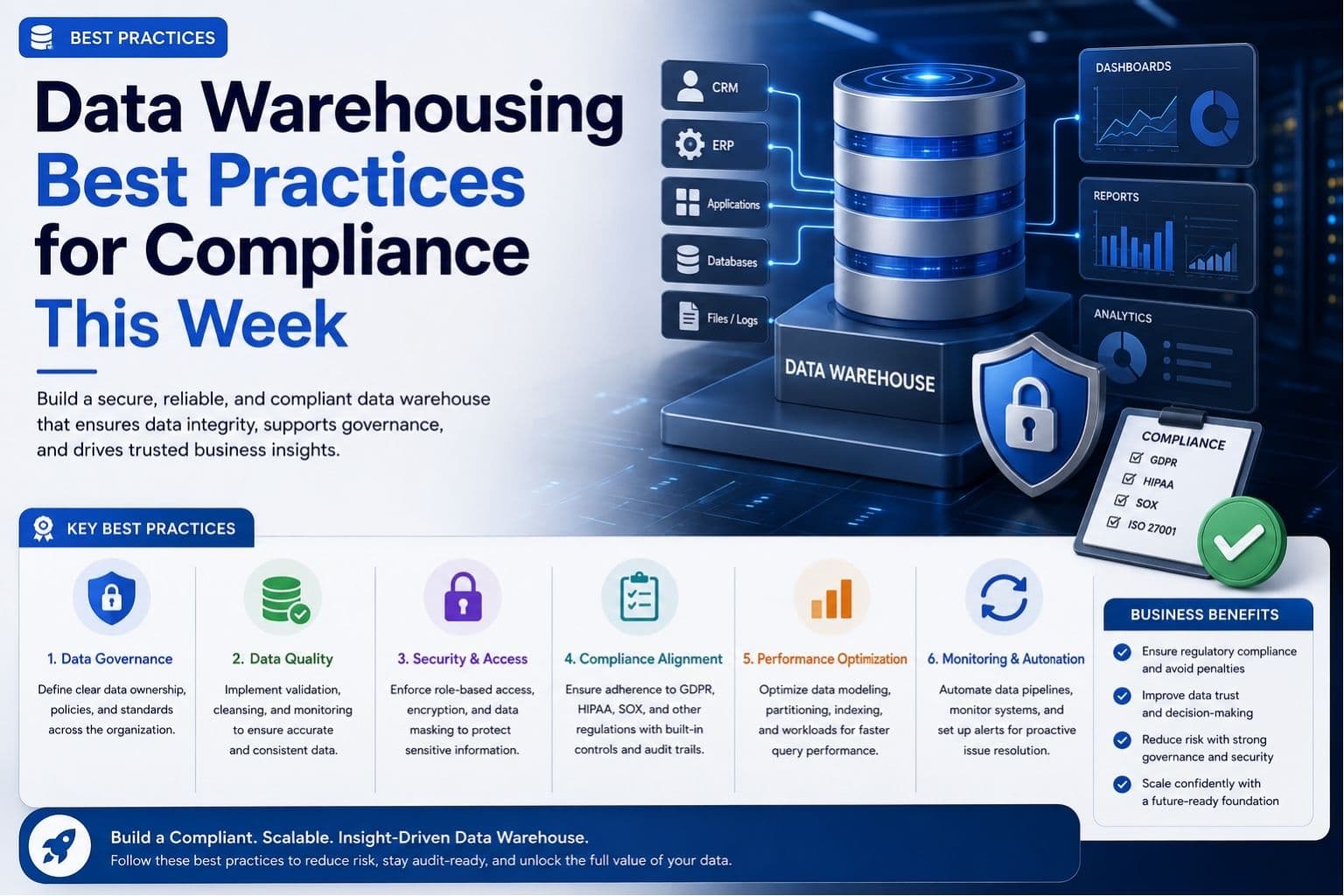
Data warehousing best practices for compliance this week often hit a wall when audit deadlines collide with schema changes, leaving delivery teams scrambling to validate data lineage before sign-off. Honestly, it's usually the schema changes that nobody flagged in the Monday standup that end up owning your entire week.
What Compliance Means in a Real Data Warehouse
In a live production environment, data warehousing best practices for compliance mean more than tagging sensitive columns; they involve proving that every transformation step aligns with regulatory definitions, which is where many internal projects fail when governance documentation lags behind actual code changes. The tagging part is easy — it's the proof part that eats your calendar.
Why Compliance Deadlines Slip in Active Projects
Teams usually discover that data warehousing best practices for compliance this week fail not because of tooling, but because of unplanned rework cycles when QA testing reveals that source system updates broke historical load logic, a surprise that pushes audit readiness past the promised date. And it's never the new logic that breaks — it's always the historical stuff that was "stable" for months.
The Assumption That Breaks Compliance Delivery
A common misunderstanding is that a certified tool guarantees compliance, yet the real risk lies in undocumented workflow dependencies and integration architecture gaps, where a minor field rename in a cloud infrastructure pipeline causes downstream reports to mismatch regulatory thresholds without any alert. Nobody catches it until the nightly job fails or, worse, until someone manually compares outputs.
How Teams Should Decide Next Steps Under Audit Pressure
When facing a compliance deadline, teams must decide whether to freeze the schema for the week or request a scope reduction, but they also need boundary awareness; these governance practices stop scaling when manual checks replace automated release management, so production hardening often requires cross-discipline execution support from partners like bringmark to bridge devops pipelines and compliance requirements. It's a hard call, and honestly, most teams waffle on it for a day before someone makes the call to freeze.
Need Bringmark's engineers to implement this for you?
Get a free 30-minute architecture & growth review tailored to your stack.
FAQ
q: What are the first data warehousing best practices for compliance this week for a new audit?
a: Start by mapping all data sources to regulatory fields and verifying data lineage, then check if your deployment schedule this week accounts for validation time, which is often underestimated. Mapping is the boring part, but skip it and you'll be reconstructing lineage from memory later.
q: How often should compliance checks run in a data warehouse?
a: They should run continuously in devops pipelines, but at minimum, a full validation before any release is essential because quarterly checks miss the incremental drift that causes delivery delays. Once a quarter is basically a hope, not a strategy.
q: What happens when data volume grows beyond the current warehouse capability?
a: The governance framework breaks because sampling becomes unreliable, and full scans exceed processing windows, forcing teams to rework integration architecture or risk audit exposure. It's not gradual either — one week everything works, the next week your processing window is blown.
q: When should a team escalate a compliance delivery risk to stakeholders?
a: Escalate immediately when a QA testing cycle uncovers a mismatch in critical data fields, because delaying notification worsens the timeline breach, and bringing in a partner like bringmark early can help resolve cross-discipline execution issues. Waiting until Friday to share bad news just makes Monday worse.
The core engineering, AI, cloud, and product development team at Bringmark Private Limited. We architect and operate production SaaS platforms, enterprise web applications, and resilient cloud infrastructure.