Delhi SMBs Choosing a Software Partner: Custom Website Development Questions to Settle First
Key Takeaway (TL;DR)
Delhi SMBs Choosing a Software Partner: Custom Website Development Questions to Settle First Before requesting quotes, Delhi SMBs should settle five things: scope, who owns the code, how handover works, how change reques

Before requesting quotes, Delhi SMBs should settle five things: scope, who owns the code, how handover works, how change requests are approved, and what post-launch support covers. Get those in writing first and proposals become comparable line by line. Skip them and you will be comparing design decks while the real cost sits in the gaps. This framework is general guidance only. It does not verify any local partner, office or availability in Delhi, and the 48-hour trend feed supplied for this piece contained no items, so no trend claim is drawn from it.
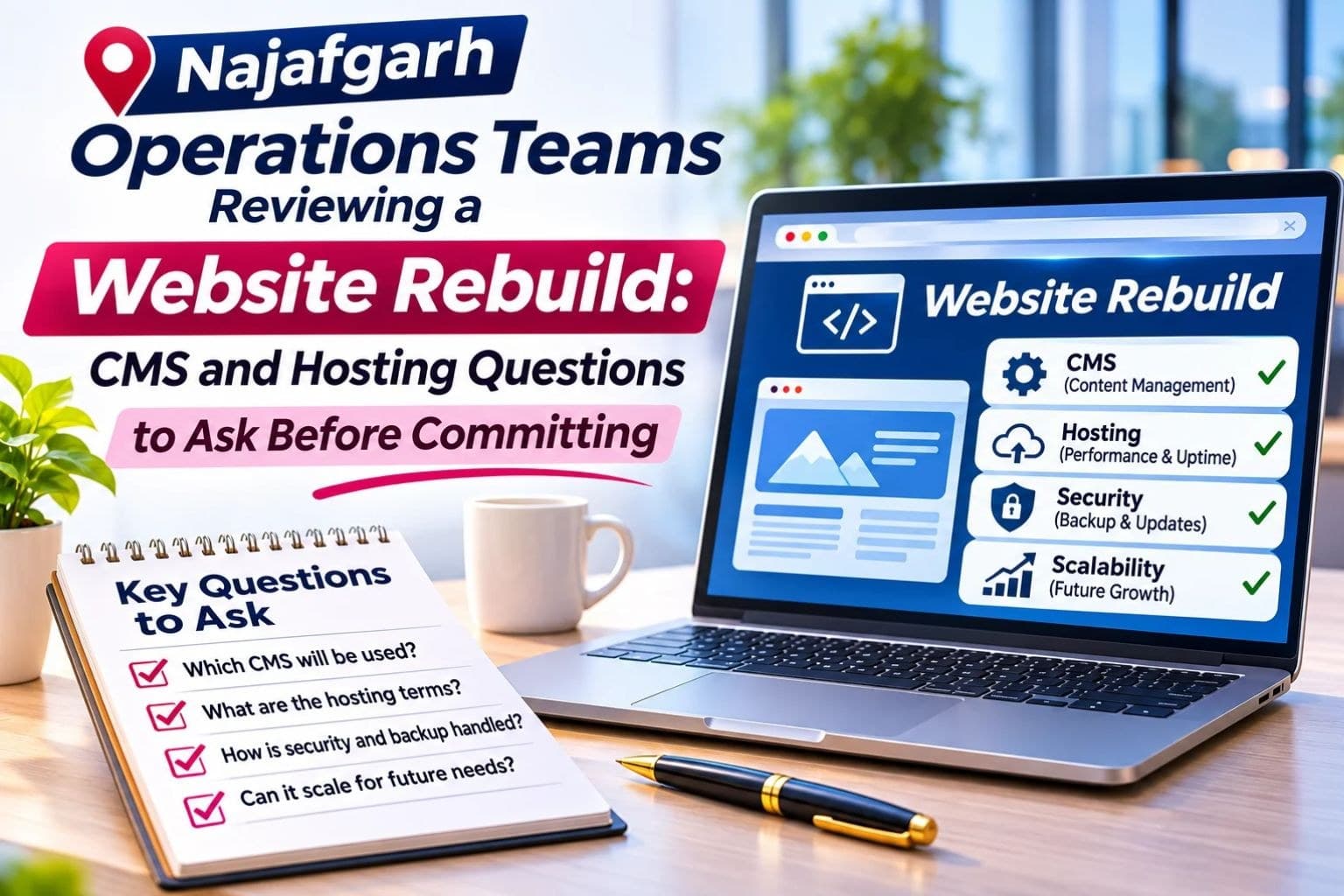
What Delhi buyers should clarify before requesting quotes
Write the brief before you write the email. A brief that names your users, the pages or flows that must work on day one, and the systems the site must talk to gives every vendor the same starting point. Keep it to one page. Long briefs invite long assumptions.
Decide the buying context for founders, marketing leads and operations managers in one room: who signs off on design, who signs off on content, and who can approve extra spend without a second meeting. That last answer shapes every timeline you will receive.
If a CRM is part of the plan, treat it as a decision area rather than a product choice. Four points matter: who owns the CRM data, where it is hosted, what has to integrate with the new site, and how existing records migrate. Ask each vendor to describe those four in plain words. Vague answers here surface months later as manual re-entry.
Scope, ownership and handover questions
Scope means the list of things that will exist when the project ends. Ask for it as deliverables, not features: pages built, forms wired, admin roles configured, content migrated. Then ask for the exclusions page. Exclusions tell you more than inclusions, because that is where the surprise invoices live.
Ownership is the question most buyers leave late. Ask in writing whether the code repository, hosting account, domain records and design files transfer to your business at the end, and on what terms. IP transfer simply means the rights to the work move to you. If a proposal is silent on it, treat timelines in that proposal as provisional.
Handover and documentation deserve their own line item. A usable handover usually includes repository access, hosting and deployment credentials, a short setup guide, and a named person who walks your team through it. Ask what happens in the first week after go-live if something breaks and the original developer is unavailable.
Need Bringmark's engineers to implement this for you?
Get a free 30-minute architecture & growth review tailored to your stack.
How to compare proposals on outcomes, not feature lists
Feature checklists reward whoever writes the longest list. A comparison on outcomes asks what each vendor will actually deliver, who controls it afterwards, and what happens when plans change. Use the same six rows for every proposal so the answers sit side by side.
| Comparison area | What to ask | Good sign |
|---|---|---|
| Scope and deliverables | List of pages, flows and integrations included, plus exclusions | Exclusions written out, not implied |
| Ownership and IP transfer | Do repository, hosting and design files move to us? | Clear transfer terms at handover |
| Handover and documentation | What is handed over, in what form, by whom? | Named owner and a walkthrough session |
| Change-request process | Who approves changes and how fast? | Written approval rule and turnaround |
| CRM and data decisions | Data ownership, hosting, integration, migration | Plain answers to all four points |
| Post-launch support | Support window, response expectations, what is covered | Support terms in the contract, not the pitch |
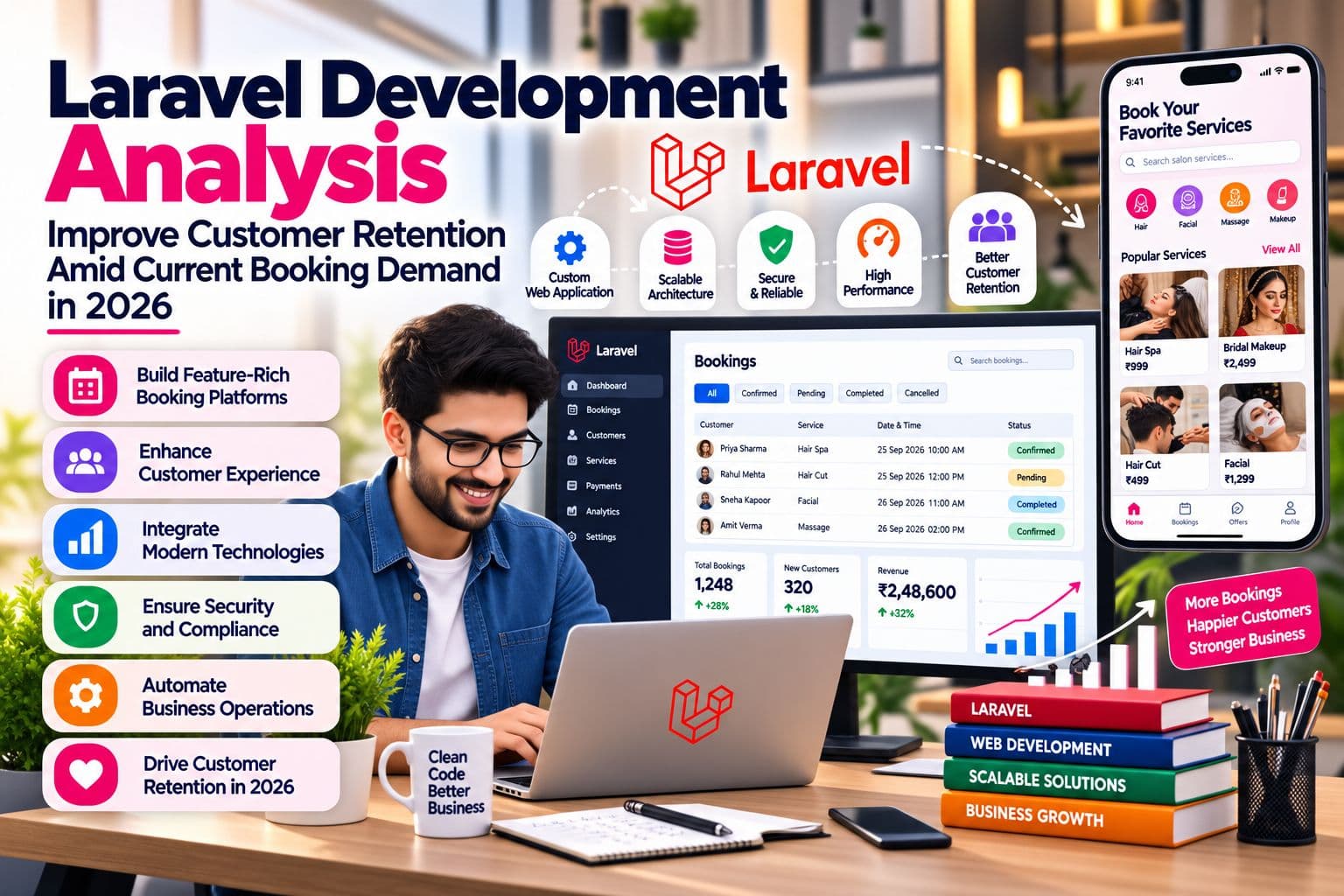
A useful reference point for what a custom build covers is Bringmark's custom web development page, which describes custom web applications and Next.js builds. Read it as one example of how a vendor frames scope, not as a shortlist decision.
Practical checks before you sign
The single answer that decides most plans is this: if content and design sign-off arrive after development starts, no partner can compress the rework that follows. Fix the sign-off order first, then negotiate everything else.
Fixed price is not fixed scope unless the assumptions are written down. Ask for the assumptions page alongside the exclusions page.
Revision cycles need a count and a definition. Unlimited revisions without a definition of what counts as one is the pattern that stalls launches.
Environment plan as a decision signal. A partner who can explain staging, backup and rollback in plain words is easier to hold to a schedule than one with a longer feature list.
Support terms belong in the contract. Agree the support window, what counts as covered work, and who you call before the site goes live.
General service questions about timelines and handover can be checked against a services FAQ page, but the binding answers belong in your agreement, not a sales call.
Prepare a one-page requirements sheet and send the same version to every vendor. Then collect written answers and decide. That checklist, not the demo, is what you compare.
The core engineering, AI, cloud, and product development team at Bringmark Private Limited. We architect and operate production SaaS platforms, enterprise web applications, and resilient cloud infrastructure.